Product Page This is a rather cute Nessie is no monster. This Nessie is actually a ladle that would be happy swimming around in your stews, soups and perhaps even a batch or chilli or not. You can see how the two might get confused. Here’s the side by side comparison of the two. This […]
Discover Related Tags
Ghost-hunter finds mysterious Loch Ness picture
Does this picture show a monster in Loch Ness? The photograph was taken by paranormal investigator Jonathan Bright and seems to show something other than a wave in the choppy waters of the Scottish loch. Bright is a professional monster-hunter, who’s been on TV shows and even History Channel documentaries. He found the photograph three […]
Banana Loch Ness monster
What’s your favourite photograph of the Loch Ness monster? Is it a fake? This Loch Ness monster is certainly faked. It’s a banana not a monster. It’s a puddle not Loch Ness. Despite that; take a look and you’ll still think “I recognise that shape! It’s the Loch Ness monster!” In Pure Spirit The internet […]
The Illustrated Encyclopedia of Cryptozoology
Created by Vladimir Stankovic this book charts a range of mysterious animals; these creatures are part of myth and legend but there is no strong evidence for their existence. The word “cryptozoology” means the “study of hidden animals”, combining zoology with the Greek root “kryptos” or “hidden”. The book was created as part of a […]
The Loch Ness monster appears in Europcar’s food map
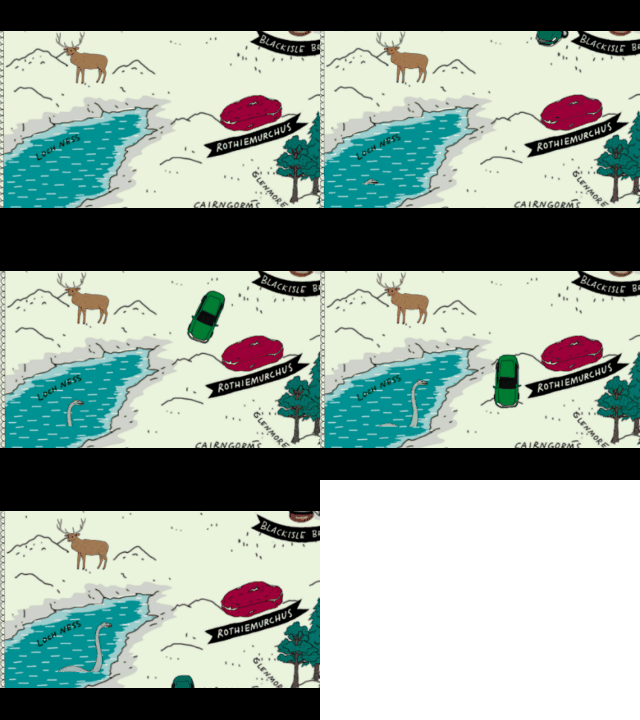
Car hire company Europcar have produced this animated food map of the United Kingdom. Viewers start at the top by John O’Groats and the Castle of Mey and can actually drive down the page, using their mouse wheel, until they get to Land’s End. Along the way the car passes through or near to places […]
Is this the Lagarfljóts worm
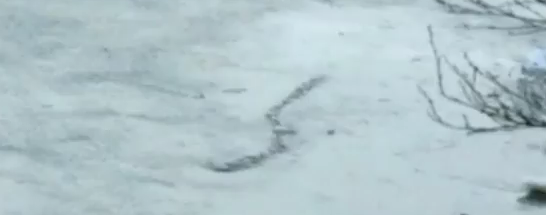
Known sometimes only as the Iceland Worm Monster, the Lagarfljóts worm is one of those creatures like the Yeti or Bigfoot that science dismisses and yet people keep on seeing. Unlike Yeti or Bigfoot there have been fewer faked sightings of the worm. The myth daets back, at least, to the 14th century in Iceland […]